
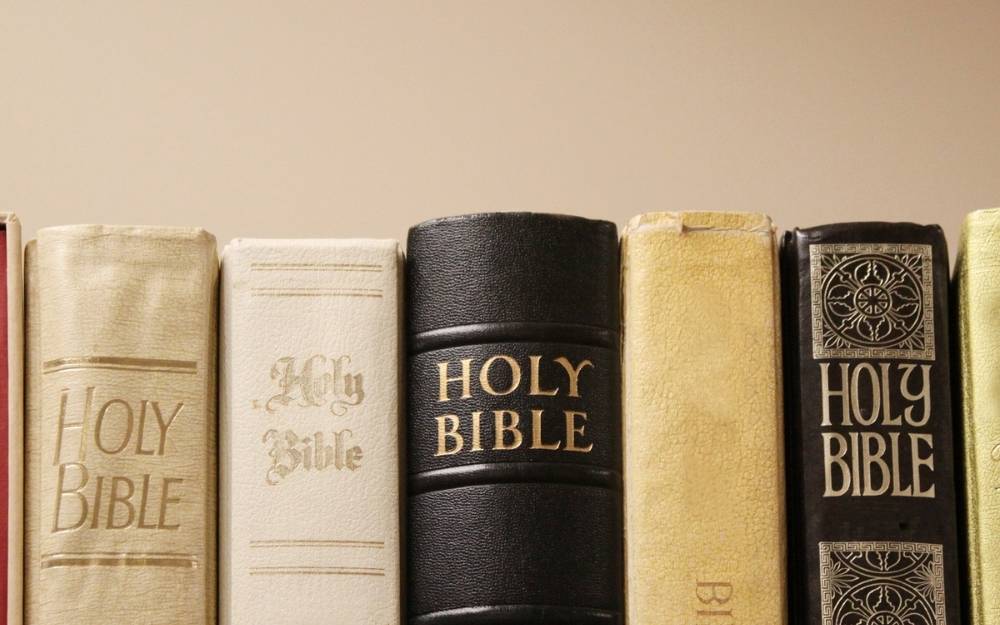
There is something profoundly moving about holding a book that has survived several centuries. When you begin searching for old bibles for sale, you are not just looking for a religious text; you are looking for a physical piece of history that has been held by generations of readers. These volumes often represent the pinnacle of bookbinding and printing technology of their time, featuring hand-tooled leather, intricate gold leafing, and paper that was made to last for five hundred years rather than fifty.
For many collectors in the United Kingdom and beyond, the appeal lies in the intersection of faith, art, and history. An antique Bible is a witness to the era in which it was produced. It reflects the theological shifts of the Reformation, the linguistic evolution of the English language, and the social habits of the families who recorded their births, marriages, and deaths within its flyleaves. Whether you are a scholar, a person of faith, or a lover of fine antiquities, the process of sourcing these books is a journey into the past.
Identifying What Makes a Bible Valuable
Not every old book is a treasure, and when browsing old bibles for sale, it is important to understand what contributes to a volume’s significance. Value is rarely determined by age alone. Instead, it is a combination of rarity, condition, translation, and historical importance. A 19th-century family Bible might be beautiful, but a 17th-century Geneva Bible with handwritten notes in the margins will almost always command more interest from serious bibliophiles.
When you are evaluating a potential addition to your library, consider the following factors:
- The Translation: Is it a first edition King James, a rare ‘Breeches’ Bible, or a Tyndale translation? The specific version can drastically change the historical context.
- The Binding: Original contemporary bindings—those created at the time the book was printed—are highly sought after. Rebound books are often less valuable unless the work was done by a master binder.
- Completeness: Many old Bibles are missing the title page or the map of the Holy Land. A complete copy is a rare find and significantly more desirable.
- Provenance: Does the book have bookplates or signatures from notable historical figures? This ‘pedigree’ adds a layer of narrative that collectors love.
Common Eras for Collectors to Explore
The market for antique Bibles is vast, spanning from the earliest days of the printing press to the ornate productions of the Victorian era. Understanding these different periods helps you narrow down your search and recognise a fair price when you see old bibles for sale online or at auction.
The Reformation and Early English Bibles
The 16th and 17th centuries were a golden age for English Bible production. This was the time of the Great Bible, the Bishop’s Bible, and the immensely popular Geneva Bible. These books were often printed in ‘Black Letter’ type, a Gothic script that looks incredibly striking to the modern eye. They were the books that fuelled the religious debates of the Tudor and Stuart periods and were often smuggled across borders at great personal risk to the owners.
The King James Era
Since its first printing in 1611, the King James Version (KJV) has been the most influential book in the English-speaking world. Early quarto or folio editions from the 1600s are the crown jewels of many collections. Even later printings from the 18th century are highly prized for their typography and the quality of the rag paper used, which remains crisp and white long after modern wood-pulp paper has turned brittle and brown.
The Victorian Family Bible
In the 1800s, the Bible became a central piece of furniture in the British home. These were often massive, heavy volumes with brass clasps and deeply embossed leather covers. While they were produced in larger quantities than earlier books, they are cherished today for their sentimental value and the genealogical records they contain. Finding one in pristine condition, with the clasps still functioning and the colour plates intact, is a rewarding experience for any hobbyist.
The Importance of Physical Condition
When you are looking at old bibles for sale, you will often encounter terms like ‘foxing’, ‘bumping’, and ‘cracked hinges’. Understanding this terminology is essential for making an informed purchase. Foxing refers to the brown age-related spots that appear on paper, usually caused by high humidity or the metallic impurities in the paper itself. While some foxing is expected in a book that is 300 years old, excessive staining can detract from the aesthetic appeal.
The structural integrity of the book is even more critical. The ‘hinge’ is where the cover meets the spine; if this is cracked, the cover may eventually detach. Professional restoration can fix these issues, but many collectors prefer ‘honest’ wear that shows the book has been used and loved without being abused. Always look for clear photographs of the spine and the internal joints before committing to a purchase.
Where to Find Reliable Antique Bibles
The search for the perfect volume can take you to dusty antique shops, rural auctions, or specialised online dealers. While it is possible to find a bargain at a car boot sale, serious collectors usually gravitate towards established experts who can guarantee the authenticity of the item. A reputable dealer will have already performed a collation—a page-by-page check—to ensure the book is complete and will be able to provide a detailed history of the edition.
Purchasing from a specialist ensures that the book has been stored in a climate-controlled environment, protecting it from the fluctuations in temperature and humidity that can devastate old leather and paper. They can also offer advice on how to display your collection without causing damage from light exposure or improper shelving.
Caring for Your Collection at Home
Once you have acquired a piece of history, the responsibility shifts to preservation. You don’t need a museum-grade vault, but a few simple steps will ensure the Bible lasts for another few centuries. Avoid keeping your books in direct sunlight, as UV rays will fade the leather and bleach the ink. Similarly, avoid damp basements or areas near radiators, as extreme dryness can cause leather to crack.
When handling your Bibles, it is often debated whether to use white cotton gloves. Most modern conservators actually recommend clean, dry hands, as gloves can reduce your tactile sensitivity and make it more likely that you will accidentally tear a fragile page. Simply washing your hands to remove natural oils is usually sufficient. Use both hands to support the weight of the book, and never pull it off the shelf by the top of the spine, as this is the quickest way to cause a tear.
Building a collection of antique Bibles is a deeply rewarding pursuit that connects you to the artisans, printers, and families of the past. Each scuff on the leather and each note in the margin tells a story that goes far beyond the printed word. By taking the time to research and understand what makes these volumes unique, you can curate a library that is not only a financial investment but a profound link to our shared cultural heritage.